
The Essential Guide to Certified Translations Across the US
BG
Understanding Certified Translations
In an increasingly globalized world, certified translations have become essential for businesses, legal proceedings, immigration, and academic purposes. A certified translation is a document translated by a qualified professional, accompanied by a signed statement attesting to the accuracy and completeness of the translation. This certification ensures that the translation meets the required standards and is accepted by official entities.
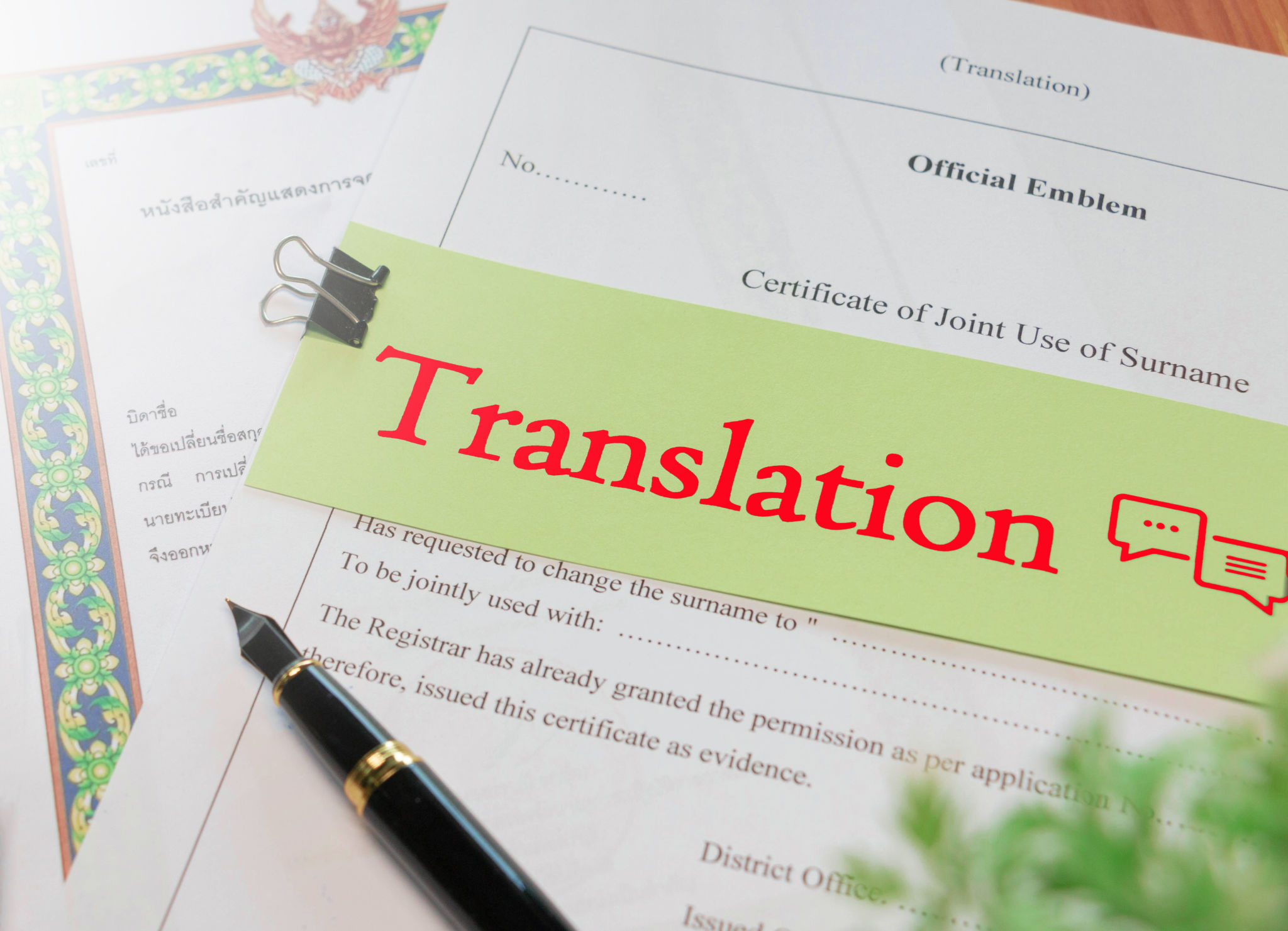
Unlike regular translations, certified translations carry legal weight. They are often required for translating birth certificates, marriage licenses, academic transcripts, and legal contracts. Understanding the nuances of certified translations can be crucial for individuals and businesses navigating international borders or dealing with multilingual paperwork.
When Are Certified Translations Required?
Certified translations are required in various scenarios across the United States. For immigration purposes, the U.S. Citizenship and Immigration Services (USCIS) mandates that all documents in a foreign language must be accompanied by certified translations. This applies to visa applications, permanent residency petitions, and other immigration-related processes.

In legal settings, certified translations are necessary for any foreign-language documents submitted in court cases. This includes affidavits, witness statements, and evidence documents. Similarly, in academic contexts, students may need certified translations of their transcripts or diplomas when applying to U.S. educational institutions.
The Process of Obtaining a Certified Translation
Obtaining a certified translation involves a few key steps. First, you need to find a qualified translator or a reputable translation agency specializing in certified translations. It’s important to ensure that the translator is experienced in the specific type of document you need translated.
- Contact a certified translator or agency.
- Provide the original document.
- Receive the translated document along with the certification statement.
The certification statement typically includes the translator's credentials, a declaration of accuracy, and their signature. This document is then ready to be submitted to the relevant authority.
Choosing the Right Translation Service
When selecting a translation service provider, it’s crucial to consider their reputation and expertise. Look for agencies with certified translators who have experience in your specific industry or document type. Check for reviews and testimonials from previous clients to gauge their reliability and quality of work.

Additionally, ensure that the translation service adheres to industry standards and has a streamlined process for handling certified translations. This can help avoid delays and ensure that your documents are accepted by the intended authorities without issues.
The Importance of Accuracy in Certified Translations
Accuracy is paramount in certified translations, as even minor errors can lead to significant misunderstandings or legal complications. A qualified translator not only translates the text but also accurately conveys the intended meaning and context. This is especially critical in legal and medical documents where precision is essential.
To maintain accuracy, translators may also engage in a thorough review process, sometimes involving multiple professionals cross-checking the translation. This attention to detail is vital for ensuring that the final product meets all necessary requirements and standards.
Conclusion
Certified translations play an integral role in facilitating communication and legal processes across language barriers in the United States. Whether for immigration, legal matters, or academic purposes, understanding when and how to obtain a certified translation is essential. By choosing the right service provider and ensuring strict adherence to accuracy standards, individuals and businesses can navigate these requirements smoothly and effectively.